Hackney Council permits for flower markets and stalls
Posted on 28/10/2026
Hackney Council Permits for Flower Markets and Stalls: A Practical Guide for Traders
If you're planning to sell bouquets, potted plants, or cut flowers on a Hackney pavement, market pitch, or pop-up stall, the paperwork can feel a bit more tangled than the flower stems themselves. Hackney Council permits for flower markets and stalls are the starting point for trading legally, keeping neighbours happy, and avoiding a last-minute headache on market morning. Whether you're a florist testing a new sales channel or a seasoned trader moving into a busier spot, this guide walks you through the process in plain English.
You'll find out what the permits usually cover, how the process tends to work, where the common traps are, and how to prepare a tidy application. We'll also cover compliance, practical best practice, and a few real-world considerations that are easy to miss when you're rushing around buying stock at 6am.
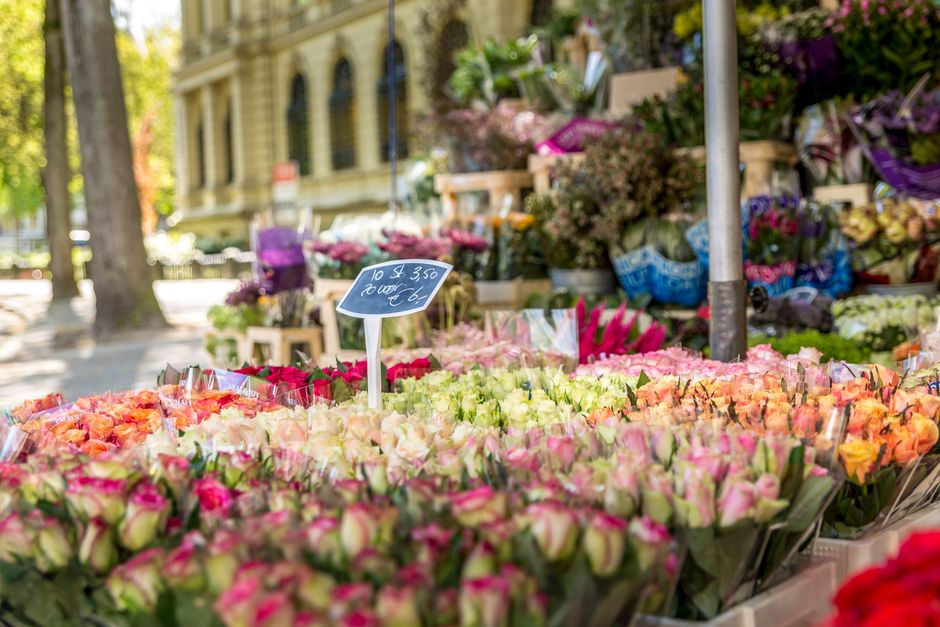
Why Hackney Council permits for flower markets and stalls Matter
At first glance, a flower stall can seem simple. Table, canopy, buckets, flowers, done. In reality, the location matters as much as the stock. Hackney is a busy part of London, and public space is shared by pedestrians, nearby businesses, residents, deliveries, cyclists, and other traders. A permit helps the council manage that space fairly and safely.
For flower sellers, permission is not just about being told "yes" or "no". It shapes where you can trade, when you can trade, how much space you can use, and what conditions you need to follow. That can affect your set-up, your transport plan, your staffing, and even the kind of display you build. A stall that looks perfect on paper can become awkward in practice if you haven't checked the pitch rules first. Truth be told, that's where a lot of avoidable stress starts.
There's also a reputation piece here. A properly permitted stall tends to look more professional to customers, local landlords, market managers, and other traders. People notice the difference. A neat, well-run stand with the right permission signals that you take the trade seriously. And if you are selling flowers, presentation matters; it really does.
For local businesses already operating in the area, permits can also support expansion. Maybe you run a shop and want a weekend presence outside a market. Maybe you want to trial seasonal trade for Valentine's Day, Mother's Day, or wedding season. The permit path can be the bridge between a nice idea and a workable commercial setup.
Key takeaway: the permit is not just a formality. It helps protect your trading rights, your operating day, and your credibility with both the council and the public.
How Hackney Council permits for flower markets and stalls Works
Different council-managed locations can have different rules, so the first thing to understand is that "flower market" and "stall" may not mean the same thing in every situation. A market pitch, a street trading pitch, a temporary event stall, and a private-site pop-up all follow different approval routes. That sounds obvious, but in a rush it is easy to lump them together. Then you end up asking for the wrong thing. Happens all the time.
In broad terms, the council or relevant site operator will want to know:
- what you are selling
- where you want to trade
- how often you want to trade
- what size and type of stall you plan to use
- whether you will need electricity, water, storage, or vehicle access
- how you will manage waste, pedestrian flow, and safety
- whether you have the right insurance and business details
Depending on the site, you may also need approval from a market manager, landlord, or event organiser in addition to any council permission. Sometimes the practical route is straightforward; sometimes it is a few conversations and a bit of waiting. That's normal.
For a flower trader, the big operational questions are usually about access and display. Flowers need water, shade, and a stable set-up. Buckets spill. Cardboard gets soggy. A gust of wind can turn a pretty arrangement into a damp mess on the pavement. So the permission process often asks more about the physical trading footprint than people expect.
If you already run a florist business, related pages such as florist services in Hackney E5 and flower shops in Hackney E5 can also help you think through how a stall fits into your broader sales plan. A permit should support the business, not distort it.
Key Benefits and Practical Advantages
Done well, a permit does more than keep you on the right side of the rules. It can make the whole operation smoother.
- Legitimacy: you are trading with permission, which reduces enforcement risk.
- Better planning: once the pitch is agreed, you can plan stock, staffing, transport, and set-up times with more confidence.
- Customer trust: permitted stalls often feel more established and reliable to buyers.
- Location stability: if you're granted a regular pitch, you can build repeat footfall rather than chasing ad hoc spots.
- Operational clarity: you know the boundaries, the permitted hours, and the conditions before trading day starts.
There is also a subtler benefit: peace of mind. When you know your paperwork is in order, you stop second-guessing yourself every time a council officer, market manager, or nearby trader walks past. That confidence matters. It changes how you sell.
For some businesses, permits also support seasonal strategy. Flower sales are naturally tied to occasions, and being able to plan around busy dates can make a real difference. A stall could be a smart extension of a business offering, especially if you already work with occasion-based products such as birthday flowers, wedding flowers, or sympathy flowers.
Who This Is For and When It Makes Sense
This topic matters for a few different kinds of traders, and each one has a slightly different reason for caring about the permit process.
Independent florists
If you run a florist shop and want to extend sales into the street or a local market, a permit may be the route that lets you test demand without committing to a second premises. You might want to capture walk-by traffic on Fridays, operate a weekend stall, or appear at a seasonal market. In our experience, this is often where smaller florists can get real visibility.
Market traders and seasonal sellers
If flowers are your main product, you need a pitch that supports regular trading and reliable access. You'll care about footfall, shade, delivery windows, and storage far more than a one-off seller would. For seasonal traders, the permit needs to line up with the dates you actually need. A permit that arrives too late is not much use, is it?
Event organisers and pop-up operators
If you are running a flower stall at a local event, your concerns are different again. You may need temporary permissions, event organiser sign-off, or site-specific rules about structure, fire safety, and load-in times.
Existing businesses moving into public trading
Some businesses start online or in-store and later want a more visible local presence. If you already serve the Hackney area through delivery, you may be using a stall as a promotional channel as much as a sales channel. Pages like flower delivery in Hackney E5 and same-day flower delivery in Hackney E5 can sit neatly alongside a stall strategy, especially if customers want quick follow-up ordering after seeing your stand.
So when does it make sense? Usually when you have enough stock turnover to justify the pitch, a clear customer base, and the operational discipline to keep the stand tidy and compliant. If you are still unsure of demand, a short-term or trial approach is often safer than jumping in with both feet.
Step-by-Step Guidance
Below is a practical route to follow. The exact process may vary by location, but the logic is similar.
- Define your trading idea clearly. Decide whether you need a permanent pitch, a regular market stall, or a one-off temporary setup. Be specific about the product type, the days, and the area.
- Check the site rules. Not every public space is treated the same way. Some sites are run as markets, some are managed as street trading locations, and some require event-level approval.
- List what you will bring. Stall frame, table, buckets, canopy, signage, waste bins, water containers, payment device, and any electrical kit should all be accounted for.
- Prepare your business details. You may need business name, contact details, trading history, insurance, and possibly proof of identity or registration depending on the application route.
- Think through safety and access. Can customers move around safely? Can you load in without blocking others? What happens in wet weather?
- Submit the application or enquiry. Some permissions are requested directly through the council or site operator, while others begin with a general enquiry. Either way, keep copies of what you send.
- Respond quickly to follow-up questions. If someone asks for a revised plan or missing document, answer promptly. Small delays often turn into bigger delays.
- Confirm conditions before you trade. Double-check the hours, pitch size, waste arrangements, and any limits on display, noise, or storage.
- Set up your operating routine. Once approved, build a repeatable process for stock, set-up, takedown, cleaning, and customer service.
A small but important point: if you are planning to sell a range beyond flowers, make sure the permit covers that. A stall that starts with roses and ends up with candles, gifts, or food items can drift outside the original approval. That's an avoidable mess.
Expert Tips for Better Results
Here's where a bit of local know-how helps.
1. Build your pitch around weather, not just aesthetics. London weather is rarely dramatic, but it is persistent. A display that looks lovely indoors may become awkward in a drizzle. Use stable containers, weights, and coverings that don't make the stall feel cramped.
2. Keep your sign simple and legible. Passers-by decide quickly. In a busy Hackney street, they may glance once and move on. Make your brand, prices, and opening hours easy to read.
3. Leave breathing room. Too many blooms packed tightly together can look lush, but it can also make restocking painful and create damage. You want the stand to look generous, not jammed.
4. Plan your replenishment cycle. Flowers age. Some stock needs rotation faster than others. If you know your busiest times, you can match fresh stock to those windows.
5. Think like a neighbour, not only a trader. Noise, bins, blocked pavements, and late clean-ups can quickly sour a good trading relationship. A little courtesy goes a long way. Honestly, it can save you more hassle than a fancy display ever will.
6. Keep a backup plan. If your pitch is outdoors, you need a weather fallback. A sheet of clear plastic, extra buckets, and a plan for moving vulnerable stock inside can rescue a day.
And yes, the smell of fresh lilies and damp pavement on a cool morning can be lovely, but only if everything is tidy and under control. It's a strange little London pleasure, but there we are.
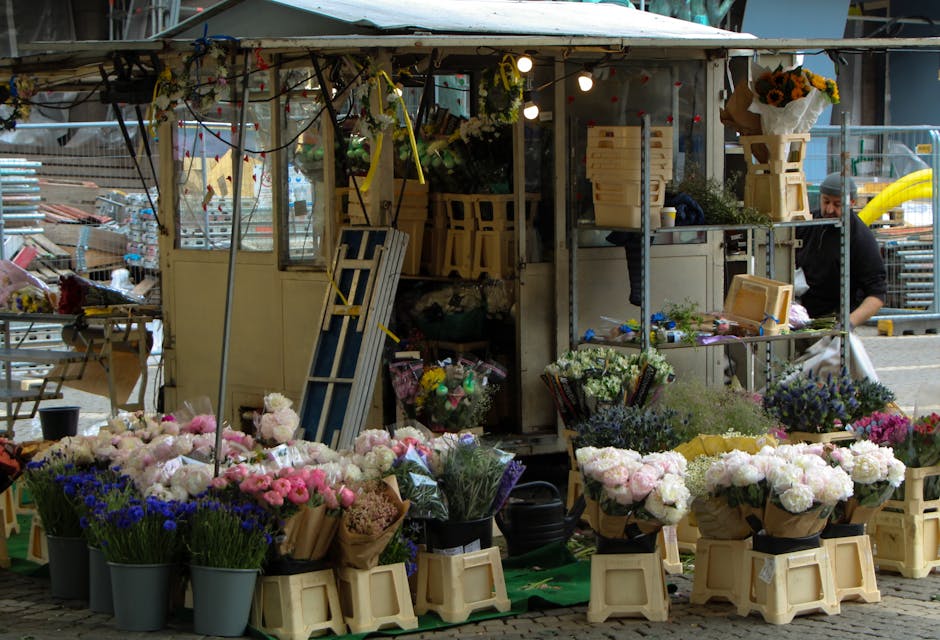
Common Mistakes to Avoid
Most permit problems come down to rushing or assuming. The permit itself might not be difficult, but the details matter.
- Applying for the wrong type of permission. A market pitch and a temporary event stall are not automatically the same.
- Underestimating space needs. Flowers need room for buckets, access, and customer movement.
- Forgetting waste disposal. Stems, wrap, cardboard, water, and damaged blooms all create waste that needs managing.
- Ignoring insurance or business documentation. Even where the council does not ask for much, you still need to operate sensibly.
- Not checking the hours. Some of the most frustrating problems start with a simple mismatch between your plan and the approved trading window.
- Using the pitch for unapproved products. Stick to what was agreed unless you have explicit permission to broaden the range.
- Leaving the display looking messy. A tired stall damages trust fast. A few drooping stems are enough to make the whole stand feel off.
One more thing: do not assume that because "it's only flowers," the rules will be relaxed. Flowers may be soft and pretty, but the trading rules can still be very exact. Sometimes especially so.
Tools, Resources and Recommendations
You do not need a giant toolkit, but a few practical items make life much easier.
- Measurement tape: useful for confirming pitch dimensions and stall clearance.
- Foldable tables or display crates: better than improvising on the day.
- Water-safe buckets and liners: essential for keeping stems fresh.
- Weather protection: canopy, clips, weights, or covers.
- Card payment setup: many buyers do not carry cash, especially for spontaneous flower purchases.
- Waste bags and a clean-down kit: keep the pitch presentable during and after trading.
- Stock list and rotation notes: helps prevent waste and over-ordering.
For service-side planning, some businesses also find it helpful to review support pages such as delivery information, flower care guidance, and sustainability commitments. These won't replace a permit, of course, but they do help you build a more coherent business model around your stall.
If your stall is tied to special occasions, the product range pages can also help with merchandising decisions. For example, you might lean on roses for romantic trade, tulips for spring displays, or flowers in a vase where customers want something ready to gift without extra wrapping.
Law, Compliance, Standards, or Best Practice
This is the section where careful wording matters. Permit requirements can change depending on the exact trading location, the nature of the stall, and the council's current policies. So the safest approach is to treat the council or site operator's instructions as the controlling framework for your specific pitch.
In general, a lawful flower stall or market operation should consider:
- Permission to trade: make sure the space is authorised for the type of selling you want to do.
- Public safety: avoid obstruction, trip hazards, unstable displays, or unsafe cabling.
- Access needs: keep clear routes where required, especially for pedestrians and mobility users.
- Food and non-food separation: if you add gifts or consumables, different rules may apply.
- Waste control: keep the site clean and remove waste promptly.
- Consumer transparency: prices, opening times, and trading identity should be clear enough for customers to understand what they are buying.
If you are using lighting, electrical equipment, heaters, or anything more technical than a simple stall frame, be extra cautious. Ask whether the site allows it and what conditions apply. A flower stall should feel calm and inviting, not like a jumble of cables and guesswork.
Also, keep records. Even a simple folder with the application, permission notes, insurance details, and correspondence can be worth its weight in gold when you need to check something later. Not glamorous, I know. But very handy.
Options, Methods, or Comparison Table
There are usually several ways to sell flowers locally, and the best route depends on your goals. A permit for a stall is just one of them.
| Trading option | Best for | Pros | Things to watch |
|---|---|---|---|
| Permanent market pitch | Regular flower sellers | Stable visibility, repeat customers, easier planning | Can be harder to secure; may involve ongoing conditions |
| Temporary pop-up stall | Seasonal or event-led trading | Flexible, lower commitment, useful for testing demand | Less predictable footfall; setup and approval may be time-sensitive |
| Street trading stall | High-footfall public areas | Strong impulse sales potential | Often stricter on pitch rules, obstructions, and hours |
| Private-site stand | Outside shops, venues, or private land | Can be simpler if the landowner approves | Still needs clear permission; not always covered by council routes |
For many small traders, the best option is the one that matches the rhythm of the business. If your flowers are fresh daily and your customer traffic is built around commuting patterns, a regular pitch can work well. If your sales are event-driven, a temporary setup may be the better fit. No need to overcomplicate it.
Case Study or Real-World Example
Picture a florist who already delivers around East London and wants to trial a Saturday stall near a busy local shopping strip in Hackney. The first instinct might be to turn up with a table, a sign, and a lovely mixed display. But the practical reality is different.
Before trading, the florist checks the pitch rules, measures the display area, and plans for water, waste, and a light canopy. They decide to focus on a compact range: mixed bouquets, a few seasonal stems, and easy-to-carry gift wraps. They also build the stall around quick decision-making, because weekend shoppers often want speed rather than a long browse.
On the day, the stall is tidy, the signage is clear, and the stock is rotated so the freshest stems sit at eye level. A customer stops for a last-minute bouquet on the way to a birthday lunch, then later messages to ask about a larger order. That's the kind of thing a well-placed stall can do: not just sell one bunch, but seed future business.
Now, if the same florist had ignored the pitch conditions, the picture would be different. They might have brought too much stock, blocked pedestrian flow, or realised too late that their display was larger than allowed. The difference is rarely dramatic, but it is often expensive. A small bit of planning saves a lot of awkwardness.
Practical Checklist
Use this before you apply or trade.
- Have you identified the exact location or market?
- Do you know whether you need a street trading, market, temporary, or site-specific permission?
- Have you confirmed the permitted trading days and hours?
- Have you measured your stall footprint?
- Have you checked whether electricity, water, or shelter are allowed?
- Do you know how waste will be collected and removed?
- Have you prepared your business details and insurance documents?
- Have you decided which flowers and products you will sell?
- Have you thought about weather protection and stock rotation?
- Have you set up card payments and a neat pricing display?
- Do you have a clean-up plan for the end of the day?
Quick reassurance: you do not need to have everything perfect on day one. You do need to be organised. That's the real difference.
Conclusion
Hackney Council permits for flower markets and stalls are really about more than compliance. They are about trading with confidence, choosing the right space, and building a setup that works in the real world, not just on a sketch pad. When the permission matches your business model, the whole thing becomes calmer, cleaner, and more profitable to run.
Whether you are a florist testing a new location, a seasonal trader planning a busy weekend, or a business owner expanding into public selling, the best approach is the same: understand the pitch, prepare properly, and keep the operation simple enough to repeat. That rhythm matters. It's what keeps a small stall from becoming a weekly scramble.
If you're weighing up your next move, start with the location, then the permit, then the display. In that order, more or less. It saves time, and time is always the thing people wish they had more of.
Get a free quote today and see how much you can save.
Frequently Asked Questions
Do I need a permit to sell flowers on a stall in Hackney?
In many cases, yes, but the exact permission depends on where you want to trade and what kind of site it is. A council-managed street pitch, market stall, or temporary event stand can each have different rules. Always check the specific location before you set up.
What kind of flowers can I sell with a stall permit?
That depends on the permission granted. Some approvals may be broad enough for fresh cut flowers and bouquets, while others may be limited to a defined product list. If you want to add plants, gifts, or other goods, make sure the permission covers them.
Is a flower market treated differently from a street stall?
Usually yes. A market is often run under its own structure and management, while a street stall may fall under a separate trading or public-space arrangement. The route, paperwork, and conditions can differ quite a bit.
How long does it take to get approval?
It varies. Timing depends on the site, the type of permission, whether documents are complete, and how much back-and-forth is needed. If you are working to a seasonal deadline, apply early rather than leaving it late.
Can I use a temporary stall for a weekend flower pop-up?
Often yes, if the location and organiser allow it. Temporary pop-ups are common for seasonal trade, but you still need the correct permission route and a sensible operating plan.
What documents are usually needed?
It depends on the application, but you may be asked for business details, contact information, insurance, and a description of the stall or trading plan. Some sites may ask for extra information about safety or access.
Do I need public liability insurance?
It is commonly expected for trading activities, especially where members of the public will be walking near your stall. The exact requirement can depend on the site, but it is sensible to have cover in place before you trade.
Can I sell flowers outside my shop without a separate permit?
Not automatically. Even if you already operate a shop, trading on the pavement or in a public space may need separate permission. The rules for the building and the pavement are not the same thing.
What happens if I trade without permission?
You may face enforcement action, be asked to move, or risk losing the opportunity to trade there again. It can also create problems with customers and nearby businesses. Better to check first than explain later.
How do I make my flower stall look professional?
Keep the display tidy, use stable containers, show prices clearly, and rotate stock so the freshest flowers are visible. Simple branding, good presentation, and a clean set-up usually matter more than flashy extras.
Are there special rules for seasonal trading, like Valentine's Day or Mother's Day?
Often there are extra pressures around seasonal dates, even if the formal rules are the same. Demand, delivery timing, and footfall are all higher, so the permit and logistics need to be lined up early.
Can I sell other products from the same stall?
Possibly, but only if the permission allows it. Combining flowers with gifts, cards, or accessories can work well, yet it is important not to drift beyond the approved trading scope without checking first.
What is the best way to prepare for a council or site inspection?
Keep your documents in order, ensure the stall matches the approved layout, and make sure the site is clean and safe. A well-organised trader usually makes a far better impression than one relying on improvisation.
Should I focus on deliveries, a stall, or both?
That depends on your customer base. Many businesses do best with a mix: deliveries for convenience and a stall for visibility and local brand-building. If you already sell through local delivery, a stall can be a strong extra channel rather than a replacement.


